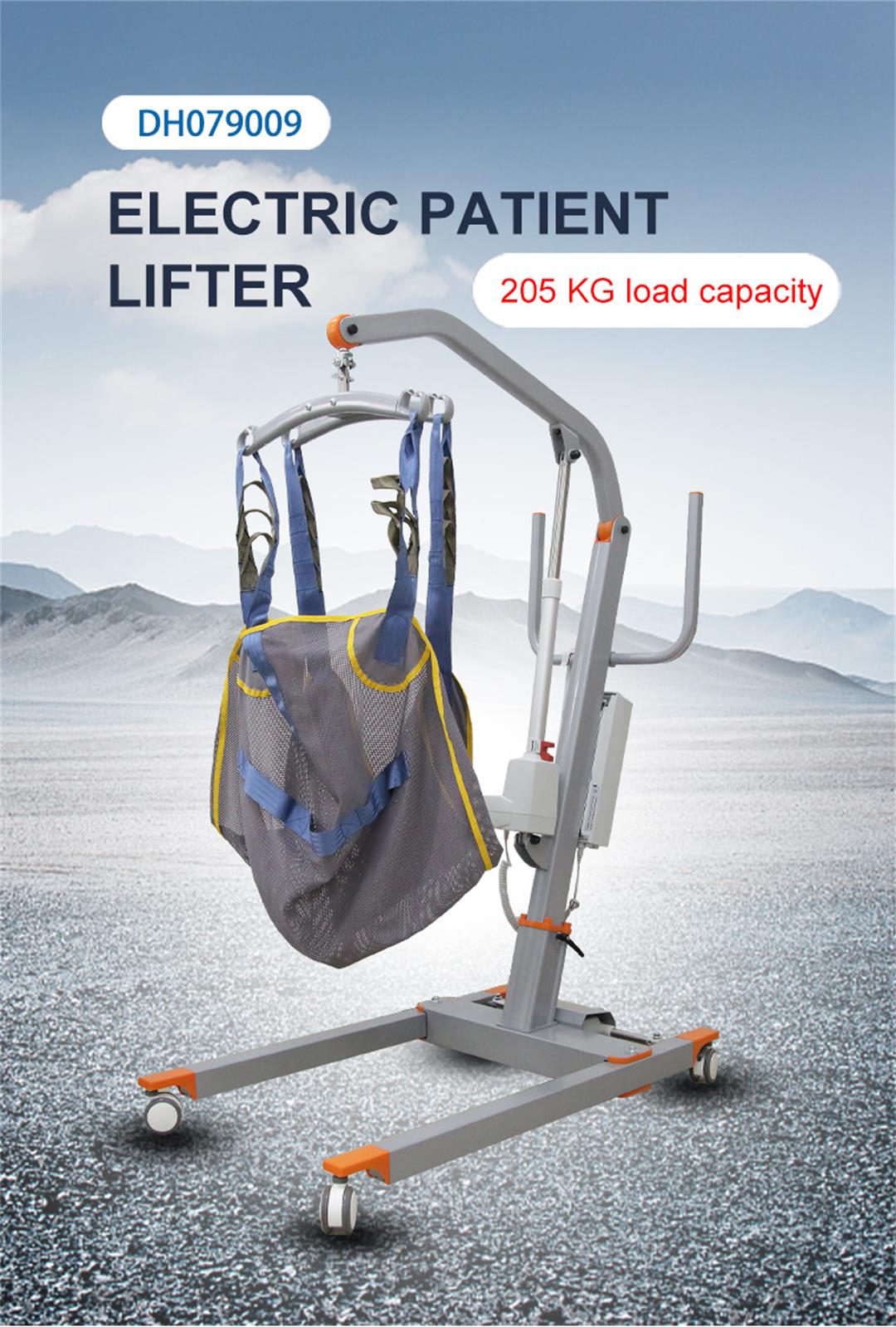

認知症患者は、身体機能の低下に加え、認知機能や行動面にも障害が生じる可能性があります。患者によっては介護者の指示を十分に理解できず、移乗中に突然抵抗したり、非協力的になったりすることがあり、介護に伴うリスクが高まります。
患者用リフトは、スリングで患者の体を固定することで、移乗過程における様々な要因を効果的に制御し、患者と介護者の双方の負傷リスクを最小限に抑えます。患者用リフトは、介護施設や認知症ケア施設における安全性を高めるための不可欠な機器となっています。
6. 骨折または術後回復が必要な患者
骨折や関節置換手術後の患者は、多くの場合、長期のリハビリテーション期間を必要とします。この期間中、医師は通常、骨の治癒を妨げたり、インプラントの緩みを引き起こしたりしないよう、過度の体重負荷を避けるよう指導します。従来の手動による持ち上げや支え方は、患部に過度の負担をかけ、回復を妨げる可能性があります。
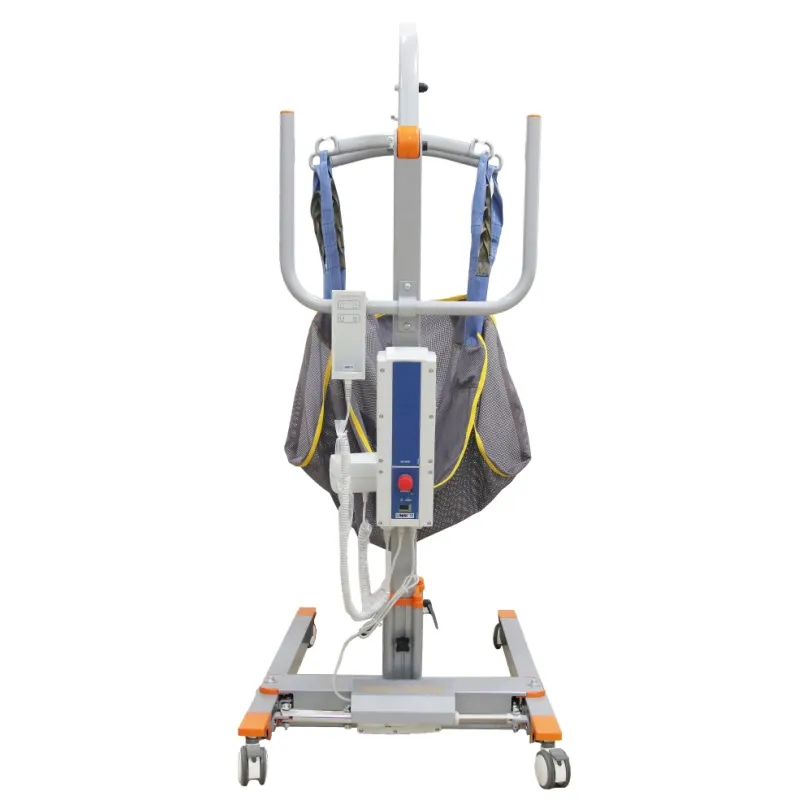
患者用リフトは、回復期における安全な移乗を可能にし、患肢への負担を軽減するとともに患者の快適性を向上させます。そのため、整形外科病棟やリハビリテーションセンターで広く使用されています。
7. 重度の肥満患者
世界的な肥満率の上昇に伴い、肥満患者のケアは医療機関にとって大きな課題となっています。150kg、あるいは200kgを超える体重の患者の移送には、多くの場合、複数の介護者の協力が必要となります。これはケアコストの増加だけでなく、職業上の負傷リスクも大幅に高めます。このような患者には、通常、専用の高耐久性電動患者リフトが必要となります。プロ仕様の電動モデルの中には、耐荷重が300kg、あるいは450kgを超えるものもあり、重度の肥満患者のケアニーズを満たしつつ、安全で確実な移送プロセスを実現します。
手動式と電動式の患者用リフトは、どのように選べば良いのでしょうか?
多くの購入者や家庭利用者は共通のジレンマに直面します。それは、手動式の患者用リフトを選ぶべきか、電動式のリフトを選ぶべきかということです。
費用面では、手動式患者用リフトは比較的安価で、シンプルな設計で、メンテナンス費用も低く抑えられるため、予算が限られている在宅介護や使用頻度の低い介護環境に最適です。体重が軽く、頻繁な移乗を必要としない患者であれば、手動式患者用リフトで基本的な介護ニーズを十分に満たすことができます。
しかし、長期使用に関しては、電気
患者持ち上げ器
電動患者リフトは、明確な利点を提供します。持ち上げ時の手作業が不要になるため、よりスムーズな操作と患者の快適性の向上を実現し、介護者の身体的負担を大幅に軽減します。寝たきりの患者や重篤な患者、介護施設や病院などの利用頻度の高い環境では、電動患者リフトが理想的な選択肢となるでしょう。
よくある質問
患者用リフトは家庭での使用に適していますか?
はい、非常に適しています。長期寝たきりの高齢者、片麻痺の患者、または自宅での移動が著しく制限されている人がいる場合、患者用リフトは家族の介護負担を大幅に軽減し、患者の移乗の安全性を高めることができます。手動式と電動式の患者用リフト、どちらがより人気がありますか?現在の市場動向を見ると、電動式患者リフトの需要は急速に伸びている。特に介護施設、リハビリテーションセンター、在宅長期介護市場において、操作の容易さから電動式モデルを好むユーザーが増加している。
患者用リフトは車椅子の代わりになるだろうか?
いいえ。患者用リフトは主に患者の移送を目的として設計されているのに対し、車椅子は移動を目的として設計されています。この2つは通常、併用されます。
電動患者リフトの使用には専門的な訓練が必要ですか?
一般的に、ユーザーは簡単なトレーニングを受けるだけで操作を習得できます。最新の電動患者リフトのほとんどは、直感的な操作パネルと安全保護システムを備えているため、使いやすくなっています。
患者用リフトの最大耐荷重はどれくらいですか?
標準モデルの耐荷重は通常150~200kgですが、業務用の高耐久性電動患者リフトは300kg、350kg、あるいは450kg以上を支えることができ、重度の肥満患者の介護ニーズに対応できます。
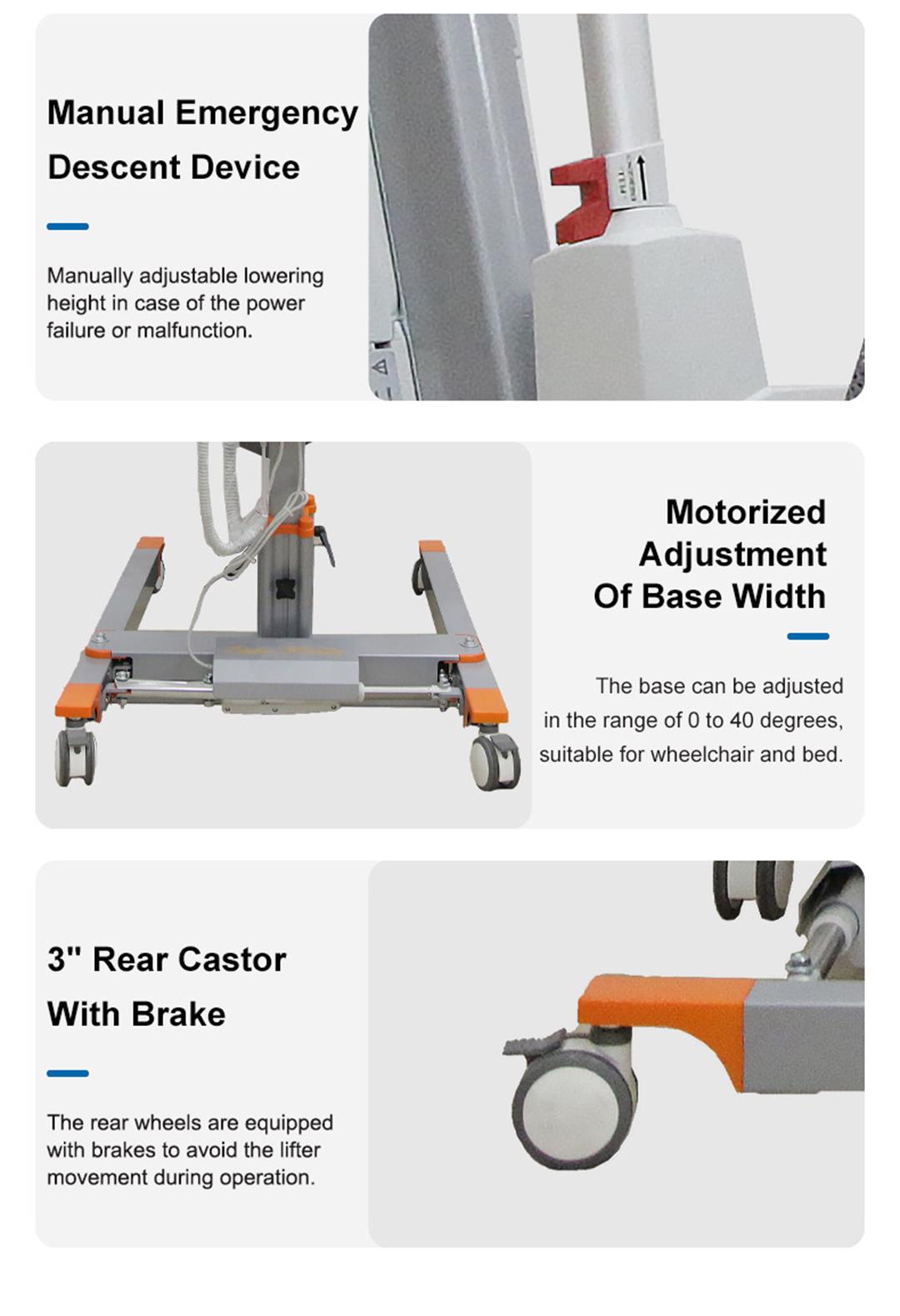
4. Patients with Parkinson's Disease
Parkinson's disease is a common neurodegenerative disorder. As the condition progresses, patients gradually experience symptoms such as slowness of movement (bradykinesia), muscle rigidity, gait instability, and difficulty rising from a seated or lying position. While many patients in the mid-to-late stages of the disease can still walk short distances, they face a high risk of falling when getting out of bed, sitting down, or turning around.
For patients with mid-to-late-stage Parkinson's disease, a patient lifter effectively addresses the challenge of physical transfers. It provides steady, continuous support—particularly during nighttime toileting, bathing, or transferring from bed to wheelchair—thereby significantly reducing the likelihood of falls.
5. Patients with Alzheimer's Disease and Dementia
In addition to a decline in physical function, patients with dementia may experience cognitive and behavioral impairments. Some patients may not fully comprehend caregiver instructions and might suddenly struggle or become uncooperative during transfers, increasing the risks associated with care.
By securing the patient's body with a sling, a patient lifter effectively controls variables during the transfer process, minimizing the risk of injury to both the patient and the caregiver. Patient lifters have become essential equipment for enhancing safety in nursing homes and dementia care facilities.
6. Patients with Fractures or Post-operative Recovery Needs
Patients recovering from fractures or joint replacement surgery often require a lengthy rehabilitation period. During this time, doctors typically advise against excessive weight-bearing to avoid compromising bone healing or causing implant loosening. Traditional manual lifting or support methods can place undue stress on the injured area, potentially hindering recovery.
A patient lifter enables safe transfers during recovery, reducing the load on the affected limb while enhancing patient comfort. Consequently, patient lifters are widely used in orthopedic wards and rehabilitation centers.
7. Patients with Severe Obesity
As global obesity rates continue to rise, caring for obese patients has become a significant challenge for healthcare institutions. Transferring patients weighing over 150 kg—or even more than 200 kg—often requires the participation of multiple caregivers; this not only increases care costs but also significantly raises the risk of occupational injury. For such patients, a specialized heavy-duty electric patient lifter is typically required. Some professional-grade electric models have weight capacities of 300 kg or even over 450 kg, meeting the care needs of severely obese patients while ensuring a safe and reliable transfer process.
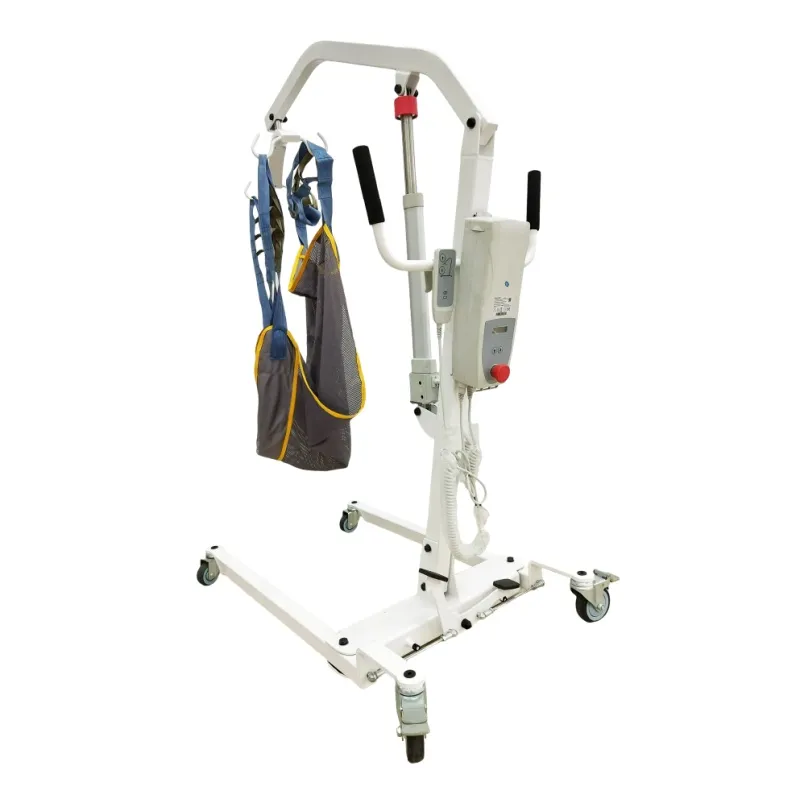
How should one choose between a manual and an electric patient lifter?
Many purchasers and home users face a common dilemma: should they choose a manual patient lifter or an electric one?
In terms of cost, manual patient lifters are relatively inexpensive, feature a simple design, and incur lower maintenance costs; they are therefore well-suited for home care settings with limited budgets or infrequent usage. For lighter patients who do not require frequent transfers, a manual patient lifter can fully meet basic care needs.
However, regarding long-term usage, electric patient lifters offer distinct advantages. They eliminate the need for manual effort during lifting, ensuring smoother operation and greater patient comfort while significantly reducing the physical strain on caregivers. For patients who are bedridden or critically ill, as well as for high-frequency environments like nursing homes and hospitals, an electric patient lifter is usually the ideal choice.
FAQ
Is a patient lifter suitable for home use?
Yes, it is highly suitable. If there is an elderly person who is bedridden long-term, a patient with hemiplegia, or someone with severely limited mobility at home, a patient lifter can significantly alleviate the caregiving burden on family members and enhance the safety of patient transfers.
Which is more popular: manual or electric patient lifters?
Current market trends indicate faster growth for electric patient lifters. Particularly in nursing homes, rehabilitation centers, and the home long-term care market, an increasing number of users prefer electric models due to their ease of operation.
Can a patient lifter replace a wheelchair?
No. A patient lifter is primarily designed for transferring patients, whereas a wheelchair is designed for mobility; the two are typically used in conjunction.
Does an electric patient lifter require professional training?
Generally, users can master the operation with just brief training. Most modern electric patient lifters feature intuitive control panels and safety protection systems, making them easy to use.
What is the maximum weight capacity of a patient lifter?
Standard models typically have a weight capacity of 150 to 200 kg, whereas professional heavy-duty electric patient lifters can support 300 kg, 350 kg, or even over 450 kg, meeting the care needs of severely obese patients.